
Whoa! This has been nagging me for months. I kept seeing users sign blind transactions and then wonder where their funds went. My instinct said something felt off about the UX-driven haste of DeFi — and yeah, my gut was right. Initially I thought better UI alone would fix it, but then I realized the problems are deeper: smart contract complexity, cross‑chain nuance, and a persistent mismatch between user expectations and actual transaction effects.
Seriously? People still approve unlimited allowances with a single click. That pattern shows up everywhere. On one hand it’s convenience; on the other hand it’s an open door. Actually, wait—let me rephrase that: convenience is a feature that, without guardrails, becomes a bug. Here’s the thing. wallets need to simulate, explain, and if appropriate, block risky interactions before users tap confirm.
Hmm… let’s unpack the core failure modes. Smart contracts can call other contracts. They can delegate, upgrade, and do crazy gas‑saving tricks that obfuscate intent. A single transaction hash rarely tells the full story. So you need tools that introspect, simulate, and present risk in plain English. I’m biased, but that is where modern wallet design should put its energy.
Okay, so check this out—transaction simulation is not optional anymore. Simulating a tx shows what state will change, how much token slippage you might face, and whether you’re about to give a contract sweeping permissions. It can detect potential sandwich vulnerability windows, flag cross‑chain wrapping steps, and estimate gas spikes. This part bugs me about older wallets: they show gas but they don’t show the whole path. I’m not 100% sure the average user cares about every variable, but they do care about losing money.
Let’s be practical. Start by thinking in three layers. First, the intent layer: what does the user want to do? Swap, stake, repay. Second, the contract layer: which contracts will be invoked, and are any of them proxies or upgradable? Third, the systemic layer: is the operation spanning chains or bridges with pending finality risk? On one hand you can argue that dev tooling covers this, though actually users only see the wallet UI. So wallets must translate dev signals into user‑facing warnings.
Whoa! Multi‑chain introduces fresh hazards. Gas tokens differ. Approval models differ. Wrapped assets can quietly change the economic vector of a transaction. Think about bridging USDC from Chain A to Chain B and then swapping through a DEX that aggregates across two liquidity pools — that flow has at least four failure points. My experience says the more chains you involve, the more fragile the whole operation becomes. Seriously, the math gets messy fast.
We need heuristics that aren’t just black boxes. A wallet should present a risk score, sure, but it should also show WHY the score is high. For instance: contract uses permit signatures; contract is upgradeable and hasn’t been time‑locked; the swap uses on‑chain oracles with low reporting frequency. Initially I thought a binary safe/unsafe label would do, but then realized users need layered context. On the other hand, too much info becomes noise—so present the headline plus the option to deep dive.
Here’s a modest checklist I use when evaluating a wallet for serious DeFi work. Does it simulate transactions step‑by‑step? Does it parse token approvals and offer one‑click limited approvals? Does it highlight proxy or upgradable contracts? Can it show cross‑chain hop visibility and the bridge’s finality assumptions? These features reduce surprises and let power users and newcomers decide, rather than guess.
Check this out—I’ve been using a multi‑chain wallet that integrates transaction simulation and permission management, and it changed my workflow. I was able to catch a swap that would have routed through a low‑liquidity pool and cost me 2% extra. Little wins add up. (oh, and by the way…) wallets that let you sandbox transactions before signing are quietly becoming the power tool for builders and traders alike.
One quick aside about approvals: limited approvals are powerful but not perfect. A dApp can still chain calls that drain approved tokens if the contract logic allows it. So the wallet should parse reentrancy and multi‑call patterns in the transaction graph. My instinct said scans like that were hard to do in‑browser, but modern light clients and RPC middleware make it feasible. The challenge is doing it fast and readable.
Wow! Automation helps, but trust assumptions must remain explicit. For example, some bridges assume withdrawal windows or validator finality that can be 24 hours or more. If the wallet hides that info, users think assets moved instantly. That’s dangerous. I remember moving tokens one Friday and then realizing the bridge had a delay — painful. I’m not trying to be dramatic, but those are real costs to everyday users.
Now, let’s talk about UI patterns that actually help. Show a clear “transaction path” visualization. Use plain language labels: “This call will change your token allowance” rather than “approve() to 0xabc…”. Offer a slider for limiting approval amounts. Provide a single click to revoke previous approvals. And when crossing chains, show the expected time window and the bridge operator’s counterparty risk. These small touches lower cognitive load and reduce mistakes.
Also, be candid about limits. No wallet can eliminate smart contract risk entirely. Rogue contracts, flashloan attacks, or oracle manipulation can still defraud users. But wallets can shift the balance by reducing human error and shining light where contracts try to hide behavior. Initially I thought this would frustrate UX-focused teams, but actually teams that invest in safety earn long‑term trust and retention.
Why integration matters — not just features
Integration is the invisible force multiplier. When a wallet ties simulation, on‑chain scanners, and permission management together, the result is more than the sum of parts. For instance, if the simulator flags a contract as upgradeable, the approvals UI can automatically recommend a limited approval instead of unlimited. My instinct said that sounds trivial, though it’s surprisingly rare. I’m biased toward tools that tie detection to action—that’s where safety becomes usable.
Okay, so check this out—if you’re evaluating wallets, look for these concrete capabilities. Transaction sim that shows called contracts and estimated state deltas. Permission tools that default to least privilege. Multi‑chain clarity — explicit chain hops and bridge operator reputations. And clear educational lines for novice users. One more thing: audit footnotes. If a contract has been audited, show the audit link and the auditor’s scope, but also highlight unresolved issues if any. That level of candor matters.
FAQ
How does transaction simulation actually reduce risk?
Simulation runs the transaction against a node (or a local VM) and reports state changes, contract calls, token transfers, and gas use before you sign. That preview can reveal unexpected transfers, contract upgrades, or multi‑call sequences that would otherwise be invisible. It doesn’t stop protocol logic attacks, but it prevents many user mistakes.
Can wallets fully protect me when bridging assets?
No. Bridges introduce external counterparty and finality risk that wallets can’t erase. However, wallets can make those risks transparent by showing time windows, validator models, and past incident history, which helps users make informed decisions rather than blind swaps.
Which wallets are doing this right?
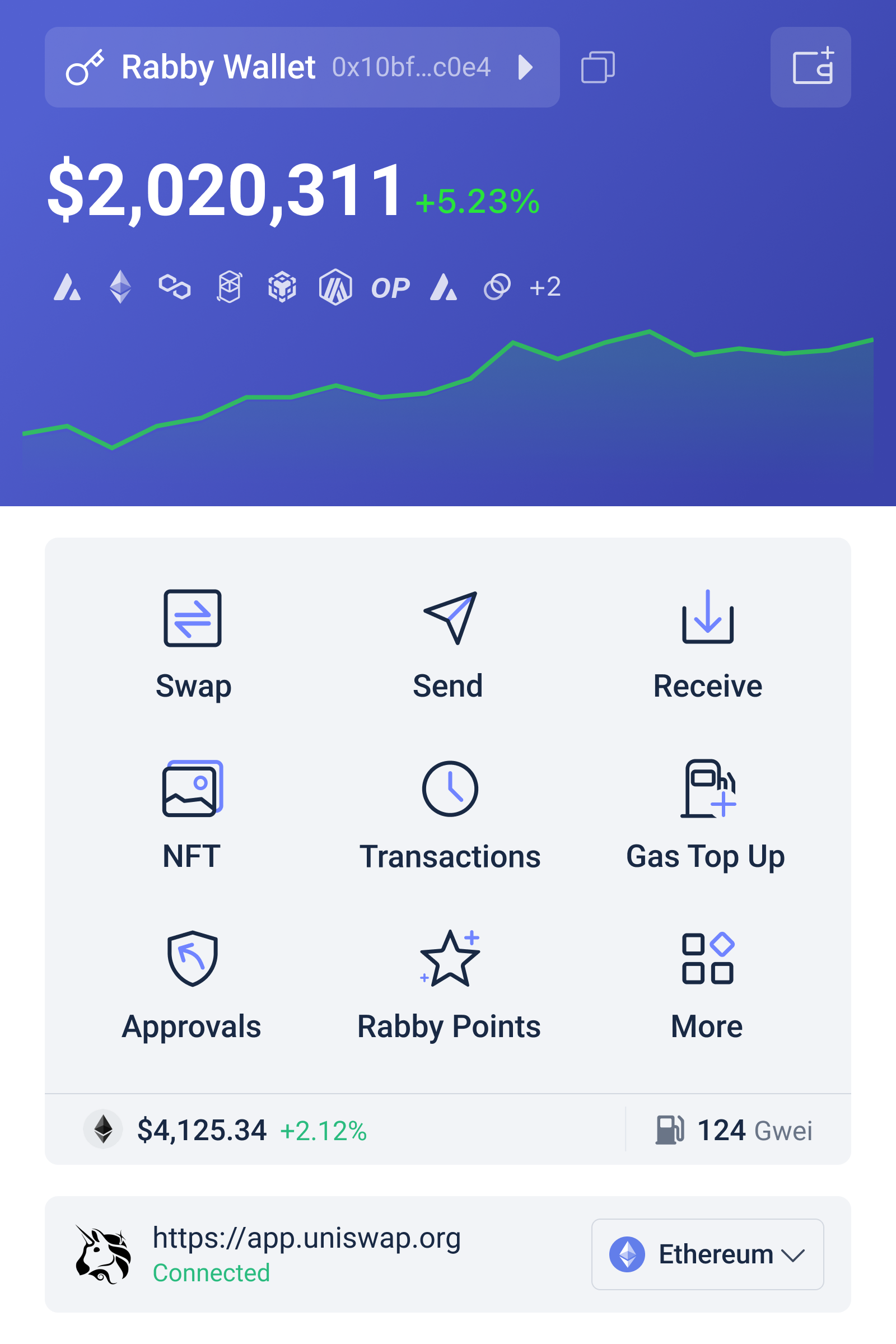
Look for wallets that combine simulation, permission management, and multi‑chain support in a single flow. One such wallet I recommend exploring is https://rabby-wallet.at/ — it focuses on transaction simulation and granular controls that make DeFi safer for both traders and builders.
Comentários